50 Touch Gestures Glyph Icons: A Modern Graphics Solution
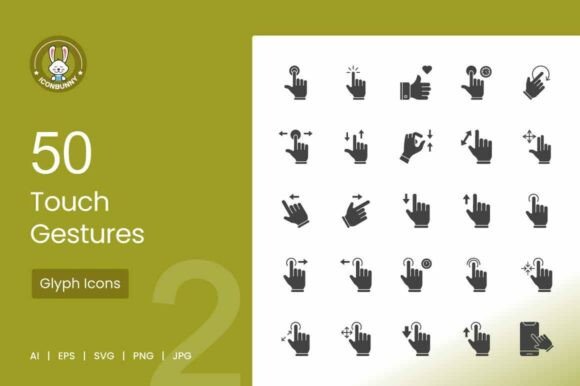
As a seasoned graphic designer, I recently had the opportunity to review the 50 Touch Gestures Glyph Icons for a client project. The first impression was striking; these icons embody a clean, modern aesthetic that immediately sets a professional and interactive tone.
Clean Lines and Interactive Appeal
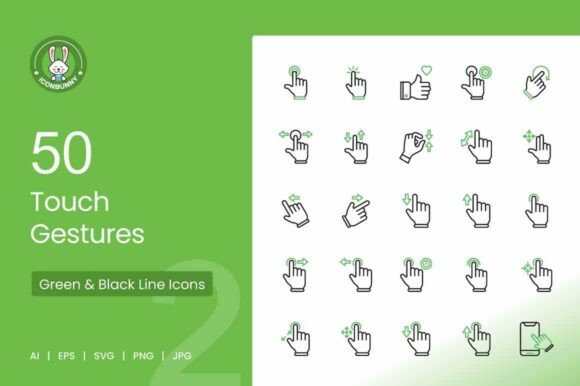
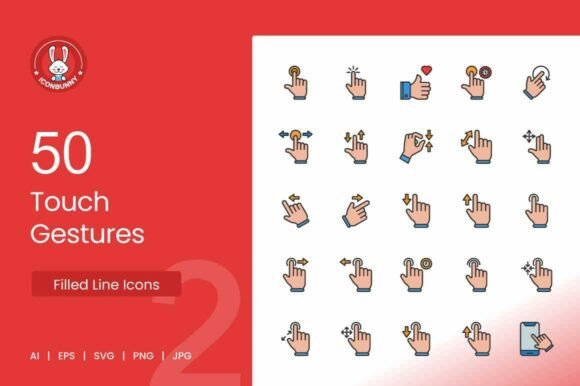
The 50 Touch Gestures Glyph Icons are designed with a minimalist approach, featuring clean lines and a simple, yet effective style. This set includes essential touch gestures like tap, double tap, swipe, pinch, and zoom, making it a versatile tool for any interactive design project. The icons' visual simplicity creates a mood of clarity and functionality, ideal for projects that need to convey user-friendly interactivity.
Fitting the Project: A Case for a Handmade Brand
For our current project, we are working on a branding overhaul for a small, handmade business. The 50 Touch Gestures Glyph Icons perfectly complement the brand's modern, clean aesthetic. These icons can be seamlessly integrated into various design elements, from website graphics to product packaging, enhancing the overall user experience and reinforcing the brand's commitment to intuitive design.
Real-World Performance in Design Situations
When it comes to real-world applications, the 50 Touch Gestures Glyph Icons shine in several areas:
- Website Graphics: The icons can be used as interactive guides, helping users navigate through the site more intuitively.
- Social Media Posts: They add a dynamic, interactive element to posts, especially when explaining how to use a product or service.
- Product Packaging: Incorporating these icons on packaging can provide clear, visual instructions, enhancing the user experience.
- Editorial Design: In digital magazines or e-books, these icons can be used to illustrate steps or actions, making the content more engaging.
Optimal Usage and Cautions
While the 50 Touch Gestures Glyph Icons are highly versatile, there are specific scenarios where they work best and others where caution is advised:
Best Use Cases:
- Large Layout Areas: These icons stand out in large, open spaces, making them perfect for hero graphics and product mockups.
- Decorative Accents: They can be used creatively as decorative elements in themed collections or campaign visuals.
- Printable Designs: Ideal for creating instructional stickers, t-shirt designs, and other printable products.
Use with Caution:
- Small Sizes: While the icons are clean, they may lose detail at very small sizes, so test them thoroughly.
- Crowded Layouts: In complex, busy designs, the icons might get lost, so use them sparingly in such contexts.
- Low-Contrast Designs: Ensure there is enough contrast between the icons and the background to maintain readability.
Practical Designer Notes
Before integrating the 50 Touch Gestures Glyph Icons into a client project, here are some practical tips:
- Test in Black and White: This helps to see if the icons retain their clarity and impact without color.
- Check Contrast: Test the icons on both light and dark backgrounds to ensure they are always visible.
- Preview at Different Sizes: View the icons at various scales to confirm they remain legible and effective.
- Place on Real Mockups: See how the icons look in the context of actual design layouts and materials.
- Test Print Quality: If using for print, check the quality of the printed icons to ensure they meet your standards.
- Review File Formats: Confirm the availability of SVG, PNG, and other formats, and inspect the transparency of PNG files.
- Font Compatibility: Compare the icons with different font styles (serif, sans serif, script, handwritten, display) to find the best match for your project.
- Commercial Licensing: Always verify the commercial license before using the icons for client or business projects.
Final Thoughts
The 50 Touch Gestures Glyph Icons are a valuable addition to any designer's toolkit. Their clean, modern style and versatility make them suitable for a wide range of creative and commercial projects. By following the practical tips and considering the best use cases, designers can effectively leverage these icons to enhance the visual appeal and interactivity of their work.